
Understanding Unbearable Complicated Grief: When Loss Feels Utterly Overwhelming
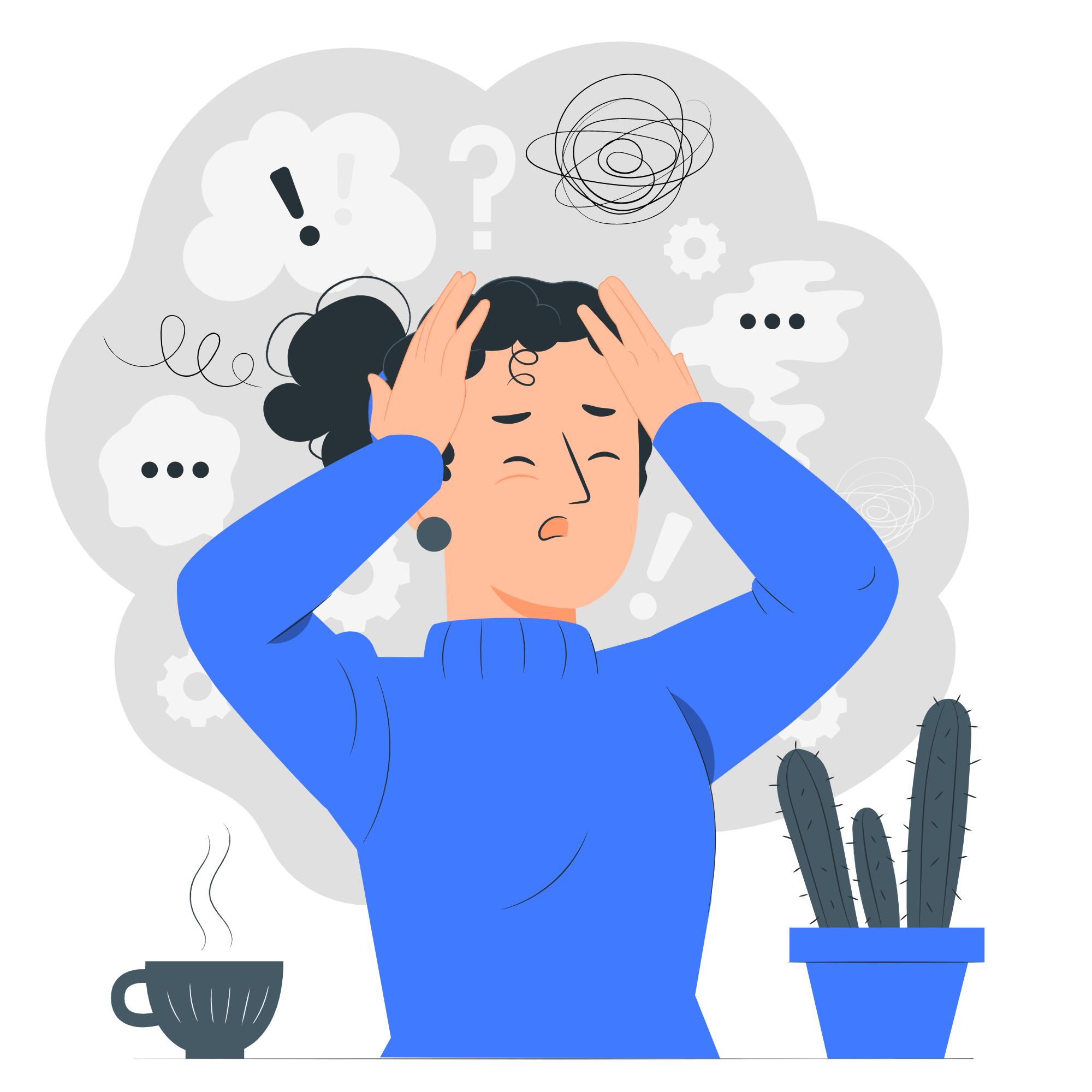
Grief is an unpredictable force. For many, it unfolds as a process - intense at first, then gradually softening, allowing space for healing. Yet for some, that softening never comes. The pain remains as sharp and heavy as the day it began, lingering far beyond what feels bearable. This is complicated grief: a term that captures a profound, persistent struggle after loss. As a grief therapist, I’ve witnessed its weight firsthand, and I’ve guided clients through its depths. If this resonates with you, let’s explore what it means - and how to find a way forward.
What Is Complicated Grief?
Complicated grief, also known as prolonged grief disorder, isn’t defined by a calendar. It’s not about grieving “too long.” Rather, it’s when the intensity of loss becomes a barrier, preventing you from reclaiming your life. Most grief shifts over time - like a river carving a new path - but complicated grief feels like a dam, holding everything in place. The sorrow, the longing, the disorientation: they don’t fade. Instead, they take over.
Signs of Complicated Grief might include:
-
An unrelenting yearning for the person you’ve lost, as if they’re perpetually just beyond reach.
-
A sense of disconnection or numbness, where part of your identity feels buried with them.
-
Avoidance of reminders—places, objects, conversations—or an inability to let go of those same reminders, clinging to them despite the pain.
-
Persistent guilt, perhaps for surviving when they didn’t, or a belief that life no longer holds purpose.
Research suggests around 10% of bereaved individuals experience this. It’s not a failure to cope - it’s a reflection of a loss so significant that standard grieving processes can’t contain it.
Why Does Complicated Grief Take Hold?
There’s no simple explanation. Often, it’s tied to the circumstances of the loss. Sudden deaths - a car accident, an unexpected illness, a suicide - can leave you reeling, with no chance to prepare or say goodbye. The nature of the relationship matters too. Losing a child, a spouse, or a parent who was your anchor can shatter your world in ways that defy easy repair.
Context plays a role as well. In Australia, where vast distances can separate communities, isolation may deepen the struggle. Rural families might grieve without nearby support, while urban people can feel alone amid crowds. Cultural expectations - stoicism, resilience - sometimes discourage open mourning, pushing emotions underground. And if you’ve faced prior challenges, like trauma or mental health difficulties, those threads can weave into the grief, complicating the tapestry.
The Physical and Emotional Impact of Complicated Grief
The Body Bears It Too
Complicated grief doesn’t confine itself to your mind - it seeps into your body. Clients describe a tightness in their chest that won’t relent, sleepless nights that blur into days, or an exhaustion no rest can cure. One woman I worked with called it “a heavy weight lodged inside me.” Studies confirm this: prolonged grief elevates stress hormones, weakens immunity, and can even strain cardiovascular health. It’s a tangible burden, not just a metaphor.
The Emotional Toll
Emotionally, it’s relentless. Anger might flare - at the unfairness, at yourself for what you didn’t do. Then comes the bargaining, the endless loop of “if only.” Beneath it all, there’s often a void - an absence that echoes louder than words. It’s draining, and it can erode your sense of self, leaving you wondering who you are without them.
Pathways to Healing
The good news is this: complicated grief isn’t a permanent state. Healing doesn’t mean erasing the loss - love endures, after all - but finding a way to live alongside it. Therapy is often the bridge giving you a space to unravel what’s keeping you tethered to that unbearable pain.
In my practice, I’ve seen people transform through this work. One client, a father whose daughter died suddenly, felt like he couldn't even bring himself to physically attend the session with me. We started gently - talking about her, letting the tears fall, naming the guilt he carried for not protecting her. Once the grief resolution process was successfully completed, in time he began sorting her things, keeping some, letting others go. It wasn’t about forgetting - it was about reclaiming a connection that didn’t destroy him. That’s what grief therapy offers: a tailored, compassionate path forward.
Steps You Can Take Today
You don’t need to solve this alone, or all at once. Consider these starting points:
-
Write a few words about what you miss most, or what you wish you’d said. Let it be raw - no need to polish it.
-
When the weight presses in, pause for five slow breaths. Focus on the rhythm, not the chaos.
-
Share a piece of your experience with someone you trust - or a professional who understands.
For more information on Complicated Grief, check out the Mayo Clinic's page on it here
You’re Not Alone In Your Complicated Grief
This kind of grief can feel isolating, especially in a society that often expects us to “get on with it.” But it’s not a flaw in you. It’s a testament to the depth of your bond, and the magnitude of what’s been lost. Across Australia - from coastal towns to inland plains - others carry this too. Support exists, and it’s within reach.
If you’re wondering about next steps, grief therapy might be worth considering. It’s not about moving on - it’s about finding a way to move with what you’ve lost, integrating it into a life that can still hold meaning. I’ve walked this road with many, and I’m here if you need a guide. There’s no rush, no pressure - just a space to begin. Contact me if you are open to a no-obligation free call with me to see what can be done to help you heal and thrive from your complicated grief.